What Is an LED Driver and How Does It Work?
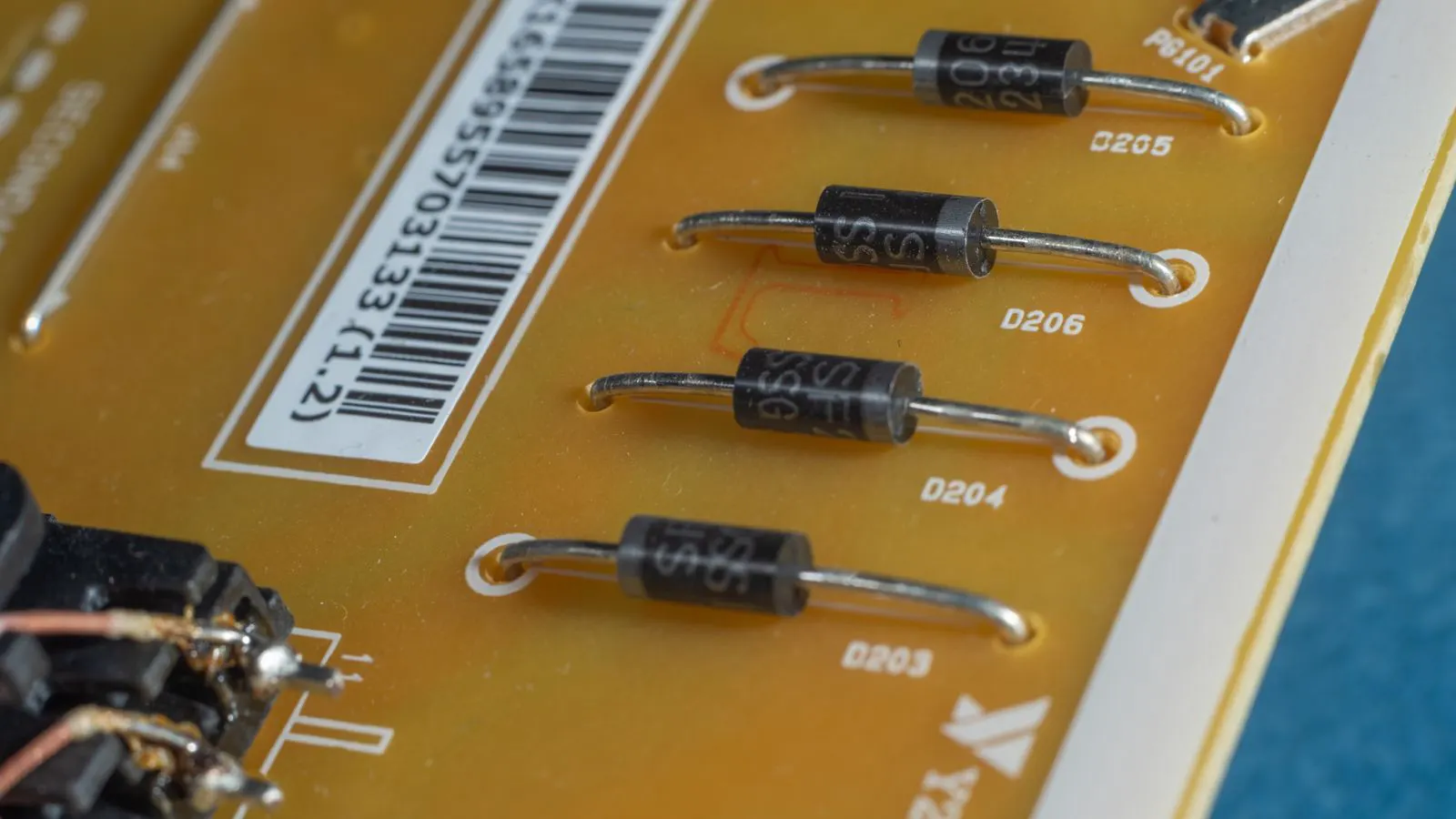
An LED driver converts AC mains power into a stable constant current for LED strings. It manages voltage, protects the diodes, and interfaces with controls. The selection of power electronics and topologies directly affects system reliability and maintenance costs.
- An LED driver isolates the sensitive LED string from fluctuating mains voltage and provides a stable current.
- Constant current operation is the standard requirement for LED strings to prevent thermal runaway and uneven brightness.
- Sourcing decisions must consider input power factor, efficiency, thermal management, and control compatibility.
- The driver is the interface between the electrical supply and the optical load, making it a critical point of failure.
- Engineers should specify the driver based on the LED string load, not just the total wattage.
An LED driver is the power supply unit that converts electrical energy from the source into the specific electrical conditions required by the light-emitting diodes. It sits between the incoming power, often AC mains, and the LED load. Its primary function is to regulate that energy. Without a properly sized and matched driver, the LEDs will either fail immediately or degrade over time due to incorrect current levels.
Why does an LED need a constant current source?
LEDs are current-driven components. They do not behave like resistors or filaments. When voltage is applied across an LED, the current increases exponentially as the voltage rises. If the voltage increases by a small amount, the current can jump significantly. This creates a thermal feedback loop.
When the current rises, the diode temperature increases. As temperature rises, the forward voltage of the diode decreases. A lower forward voltage causes more current to flow for the same supply voltage. This cycle accelerates, leading to thermal runaway. The diode eventually fails.
To prevent this, the driver must force a specific current through the string. This is known as constant current operation. The driver adjusts its internal voltage to maintain that current setpoint. If the supply voltage fluctuates, the driver compensates. If the temperature changes, the driver adjusts. The goal is to keep the electrical load stable regardless of the environment.
This distinction drives sourcing decisions. A buyer who specifies a fixed voltage supply for an LED string without a current-limiting function creates a system that is prone to failure. The specification must explicitly state constant current output.
How do different driver topologies work?
The internal circuitry of a driver is called the topology. Two main families are used in professional lighting: linear and switching.
Linear drivers use a shunt regulator. Excess power is dissipated as heat. They are quiet and have low electromagnetic interference. They are best suited for low-power fixtures where thermal management is easy. If a fixture operates at low load factors, a linear driver is a sensible choice.
Switching drivers use high-frequency transformers or inductors to step the voltage up or down. They are more efficient than linear drivers. They convert electrical energy into magnetic energy, then back into electrical energy. This process allows them to handle higher power loads with smaller components.
Switching drivers are the standard for high-bay lighting, street lamps, and large architectural installations. They require careful filtering to manage electromagnetic interference. The inductors and capacitors inside a switching driver must be rated for the operating temperature and voltage stress.
A table below summarizes the key differences between these two families.
| Feature | Linear Driver | Switching Driver |
|---|---|---|
| Efficiency | Lower | Higher |
| Heat Generation | High | Moderate |
| Size | Larger for high power | Compact |
| Noise | Silent | Audible at high loads |
| Typical Use | Accent lighting | High-bay, outdoor |
What are the key specifications to check?
When selecting a driver, the electrical ratings must match the load. The most common mistake in procurement is specifying the driver based on wattage alone. Wattage is a result of power, not a specification of the driver itself. The driver must be matched to the LED string.
The first check is the output current. The driver must be able to supply the exact current required by the LED string. The tolerance range matters. A driver set to 350 milliamperes should be able to hold that current within a small percentage band. If the driver output is too low, the light output drops. If it is too high, the lifespan reduces.
The second check is the voltage margin. The driver output voltage must be higher than the forward voltage of the LED string. This margin allows the driver to regulate. If the string voltage is too close to the driver limit, the driver will drop into current limiting or fail to start.
The third check is the power factor. This measures how effectively the driver converts AC power. A low power factor draws more current from the grid than necessary. It can cause voltage drops in long runs. In commercial buildings, power factor correction is a standard requirement.
The fourth check is efficiency. This is the ratio of optical power to electrical input. Higher efficiency means less waste heat. In enclosed fixtures, this reduces the cooling load required.
How does the driver interact with lighting controls?
Modern LED lighting systems use dimming and control protocols. The driver is the component that responds to these signals. A driver that does not support the control protocol will not dim correctly, or it may flicker.
PWM dimming sends high-frequency pulses to the driver. The driver turns the output on and off rapidly. The human eye perceives the average light level. This method works for most drivers but can cause visible flicker if the frequency is too low.
Analog dimming sends a variable voltage signal to the driver. The driver adjusts its output current in real time. This requires the driver to have a dimming input. If the driver is not rated for analog control, the signal may be ignored or cause errors.
0-10V control is a common standard. The control sends a signal between 0 and 10 volts. The driver scales the current accordingly. This is robust and widely used in commercial spaces.
DALI is another standard. It allows addressable control of individual fixtures. The driver must support the DALI protocol to respond to commands. This adds complexity and cost. It is used in large installations where individual fixture control is needed.
The choice of control protocol must be defined in the specification. A driver selected for a fixed output will not work with a dimming system. The engineer must verify that the driver supports the chosen control method.
What are the common failure modes?
Drivers fail, and the failure mode gives clues to the cause. A blown fuse usually indicates a short circuit or an overcurrent event. This can happen if the LED string is damaged or if the driver is overloaded.
A shorted output capacitor often points to a power surge or a failure in the input protection. Surge protection devices inside the driver may have failed, allowing a high voltage spike to damage the internal components.
A driver that overheats and shuts down has thermal management issues. This can be caused by poor ventilation, a high ambient temperature, or a driver that is oversized for the enclosure. The thermal design of the fixture is as important as the driver selection.
A flickering driver suggests a loose connection or a failing component. It can also indicate a mismatch between the driver and the load. If the load impedance is outside the driver’s operating range, the driver may oscillate.
These failures are often linked to the design phase. A driver that is not rated for the ambient temperature will fail in a hot environment. A driver without surge protection will fail in an area with frequent voltage spikes. The specification must match the site conditions.
How to specify the driver for a project
The specification should list the required electrical parameters. Start with the LED string details. List the number of diodes, the forward voltage, and the current. This data is needed to calculate the required output voltage and current.
Next, define the power input. Specify the voltage range and frequency. For single-phase systems, state the voltage. For three-phase systems, list the phase voltage.
Then, set the performance requirements. Define the power factor class. Define the efficiency target. Define the dimming protocol. If the fixture is used in a high-humid environment, specify the required ingress protection rating.
Finally, define the mechanical constraints. The driver must fit inside the fixture. Check the dimensions, the mounting method, and the cooling requirements. A driver that fits electrically but not physically will cause a project delay.
Reviewing these points prevents most sourcing errors. It aligns the electrical design with the physical reality. It ensures the driver is the right component for the job.
The driver is the heart of the lighting system. It protects the LEDs, manages the power, and interfaces with the controls. A well-chosen driver extends the life of the fixture and reduces maintenance. A poorly chosen driver causes failures and rework. The details matter.
Frequently asked questions
Can I use any driver with any LED string?
No. The driver output must match the LED string requirements. The current must be correct, and the voltage margin must be sufficient. A mismatch can cause failure.
What is the difference between a constant voltage and constant current driver?
A constant voltage driver maintains a fixed voltage, while a constant current driver maintains a fixed current. LEDs require constant current to operate safely and consistently.
Do I need a surge protector with my driver?
Yes, in most outdoor and industrial applications. Surge protection devices inside the driver help absorb voltage spikes from the grid. This extends the life of the driver and the LEDs.
How do I know if my driver is failing?
Check for flickering, overheating, or a blown fuse. These are common signs of failure. If the driver shuts down intermittently, inspect the thermal management and the connections.
Can I replace a driver with a higher wattage unit?
No. The driver must be matched to the LED string. A higher wattage driver does not necessarily mean it is compatible. The current and voltage ratings must match the load specifications.